What I keep seeing - and why it matters
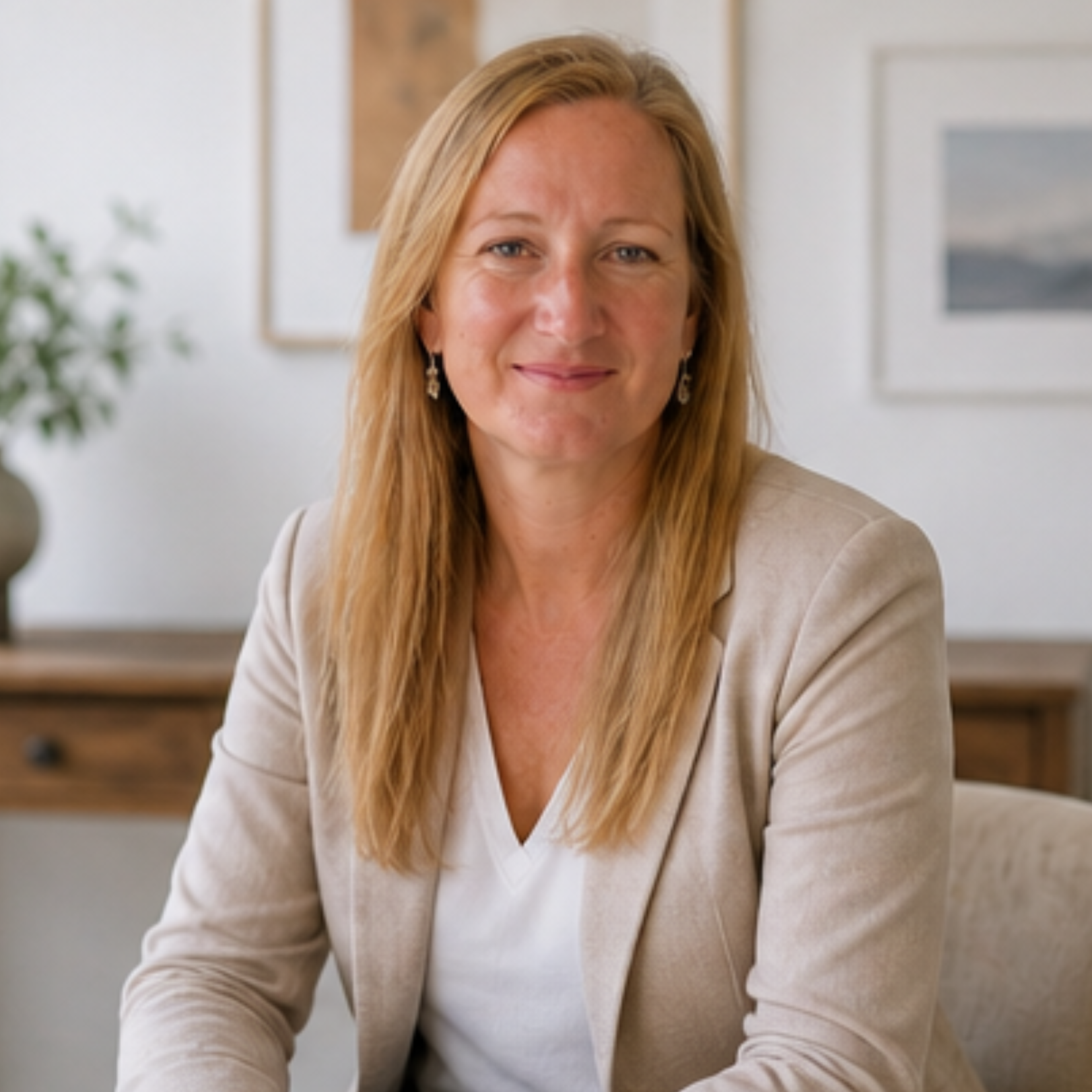
I'm Joanna. I've been teaching in Reception and Key Stage 1 for 12 years, and before that I spent nine years teaching English as a foreign language. Between those two careers I retrained as a primary teacher at the Institute of Education - and phonics has been at the centre of my practice ever since.
Over the years I've worked with most major phonics programmes available. I've been phonics lead. I've taught scores of children to read. And I've seen - consistently, year after year - what gets children reading confidently and what holds them back.
"When children arrive in Reception, roughly half of them can't yet blend sounds orally. That's not a criticism - it's simply where many children are at that age. But it's a gap that needs to be addressed directly, and taught explicitly."
In my classroom, I build oral blending practice into almost every phonics lesson - especially in that first half of Reception. Not just the first few weeks: the whole first half year. That consistent, low-pressure daily practice is what gets children blending confidently, often well ahead of the expected milestone.
What I've noticed is that this approach - practising blending out loud before introducing written words - is frequently underestimated, glossed over, or simply not given enough time, even by well-designed programmes. Teachers know it matters. But in a busy school day, with curriculum pressures and packed lesson plans, it can easily get squeezed.
Parents, meanwhile, are often told "don't worry, they'll get there" - when in reality, a few minutes of targeted practice at home could make a real difference. That's what My Phonics Coach is for. I want to give parents the knowledge and the tools to help - not to replace what's happening at school, but to add the consistent practice that can be the difference between a child who struggles and a child who clicks.
I'm also a parent myself. I understand the worry. And I know that what parents need isn't jargon or vague reassurance - it's something practical they can actually do.
QTS Qualified - Institute of Education
Retrained as a primary teacher at one of the UK's leading education institutions, with a specialism in early reading and phonics.
12 years in Reception and KS1
Extensive classroom experience working with children at exactly the age when reading begins - and when the right support makes the biggest difference.
Experienced in leading phonics - with a proven track record
Consistently strong progress and attainment across all classes. Led on introducing new phonics schemes. Colleagues regularly seek out advice on phonics - because the results speak for themselves.
Experience across most major phonics programmes
Having used all the leading phonics schemes, I know what they do well - and where the gaps are. That's what My Phonics Coach is built to fill.
SEND aware - qualified Early Years SENCo
As a qualified Early Years SENCo, I have experience supporting children with a range of learning differences including dyslexia and ASD. I understand that every child's path to reading looks different.
Certificate of Competence in Educational Testing - British Psychological Society
Trained and qualified to administer and interpret standardised assessments for literacy difficulties and learning needs. This means I don't just teach phonics. I understand how to identify what's getting in the way.